Aruba Is Asking Travelers to Make a Simple Promise — And It Could Shape the Island’s Future
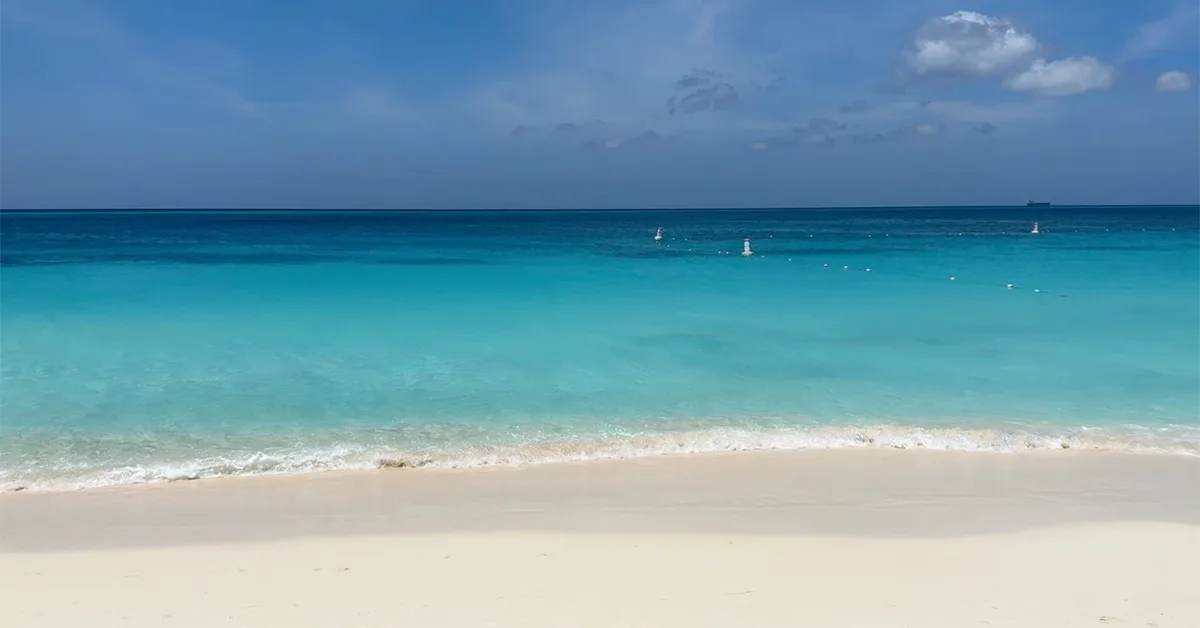
Travel has always carried an unspoken contract. Visitors arrive to enjoy a destination, but they also share in the responsibility of preserving it — its landscapes, its culture, and the communities that sustain it. As tourism grows across the Caribbean, the question of what travelers owe the places they visit has taken on new urgency. Aruba is addressing that question directly with a new initiative designed to define, clarify and elevate the responsibilities of the modern traveler.
Aruba has introduced the Aruba Promise, a visitor-facing sustainability commitment aimed at encouraging guests to approach the island with greater awareness and care. The program establishes a set of expectations for responsible behavior and outlines how individual decisions can support the island’s long-term environmental health.
The campaign is built around three core principles: adopting a guest mindset, considering personal environmental footprint, and embracing a slower, more intentional pace while exploring the island. Tourism officials say these themes reflect longstanding community values and are increasingly necessary to protect Aruba’s natural assets.
The Aruba Promise directs visitors to admire wildlife from a distance, avoid disturbing plants and animals, refrain from stacking rocks or removing shells, and use mineral-based sunscreen to limit reef damage. Travelers are encouraged to explore beyond resort areas, support local businesses, avoid single-use plastics, and be mindful of water and electricity consumption — two resources that carry heightened importance on a small island.
Aruba’s government has already enacted several nationwide environmental measures, including a ban on plastic bags, disposable utensils and confetti, and strict protections for beaches that serve as nesting grounds for sea turtles. The Aruba Promise is intended to complement those policies by engaging visitors directly and making sustainability part of the tourism experience.
Officials say the initiative is both a conservation tool and a communication strategy, positioning Aruba as a destination focused on long-term stewardship. By drawing attention to seemingly small visitor choices, the program aims to reduce cumulative impact on coral reefs, desert ecosystems and coastal habitats.
According to the island’s tourism authority, the goal is to help ensure that Aruba’s natural character — along with its appeal as One Happy Island — remains intact for future generations, while reinforcing a broader industry conversation about the shared responsibilities between destinations and the travelers who enjoy them.
Caitlin Sullivan began her career with Caribbean Journal as Arts and Culture editor before shifting to travel full time. She writes frequently on the Caribbean cruise industry, flight networks and broader travel news. Her most frequent Caribbean destination? Nassau.