The Caribbean Island You’ve Probably Never Heard Of Has Reef-Sheltered Beaches, Jurassic Rocks and a Daily Ferry

La Désirade is a seven-mile island off Guadeloupe with a working fishing harbor, a coast made by underwater eruptions and a history that reaches back centuries before Columbus.
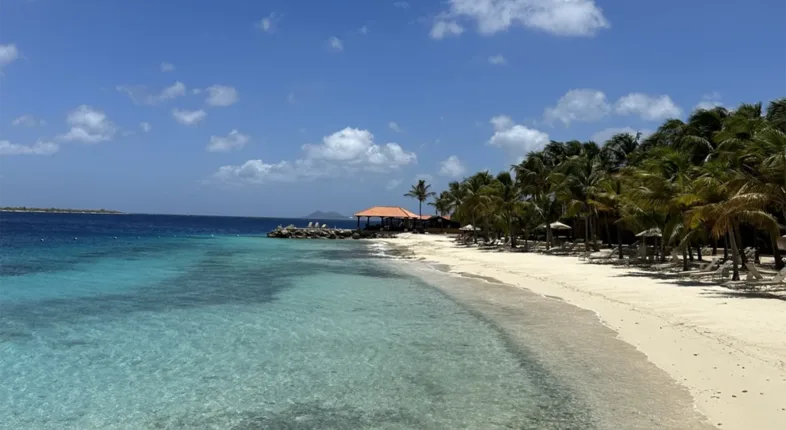
On La Désirade, you can step off the ferry and walk to a beach shaded by coconut palms. Follow the coastal road east and you’ll reach a lighthouse beside lava formations left by underwater eruptions in the Jurassic. Both are on the same seven-mile Caribbean island, a daily ferry ride from Saint-François, Guadeloupe.
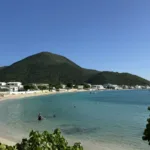
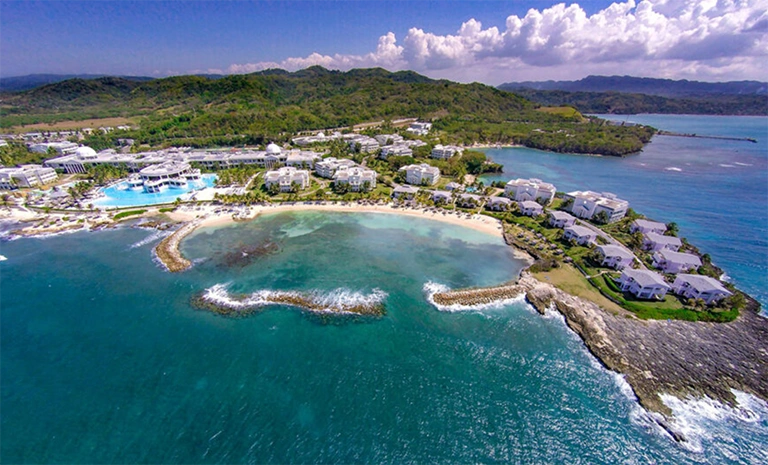
From Pointe des Châteaux, the rocky promontory at the end of Grande-Terre, La Désirade looks like a long, flat ridge across the water. Up close, you can see how the island fits together. A plateau rises above the villages on the south coast, and the road below it leads from the ferry port at Beauséjour past beaches and fishing boats to the lighthouse at Pointe Doublé.
La Désirade is easy to miss when you’re planning a visit to the islands of Guadeloupe. Terre-de-Haut has the harbor and waterfront cafés of Les Saintes. Marie-Galante has the cane fields and rum distilleries. La Désirade has a story you can read along one road, from a memorial to fishermen lost at sea to the remains of a colonial isolation hospital and rocks older than the Caribbean Sea.
How La Désirade Got Its Name
Archaeological evidence puts Indigenous people on La Désirade as early as the third century. In 1493, the island was the first land sighted by Christopher Columbus’ expedition after it crossed the Atlantic from the Canary Islands on his second voyage. The French name comes from the Spanish La Deseada, or “the desired one,” traditionally attributed to the crew’s relief at seeing land.
La Désirade became a dependency of Guadeloupe in 1648. In the 18th century, colonial authorities established a facility for people with leprosy at Baie-Mahault, near the island’s eastern end. It remained in use until 1952. Ruins of the facility and a former cotton works survive in the area. At the western end, across from Pointe des Châteaux, Anse des Galets served as a place of exile in the 18th century. The short distance from Grande-Terre made the island accessible to colonial authorities. The water made it possible to keep people apart.
Beauséjour and the South Coast Beaches
From the ferry dock, walk into Beauséjour and find the church of Notre-Dame-du-Bon-Secours. Its altar was carved from local pear wood. In the village square, a memorial honors mariners lost at sea, and an August procession keeps that connection to the island’s fishing families visible. At Anse du Puits, you can see the brightly painted boats of the working fishing harbor, a short walk from Plage du Souffleur.
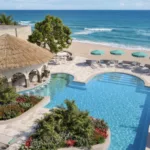
Plage à Fifi is the beach to pick if you’re exploring from the ferry on foot. It’s a few minutes from the port, with shade under the coconut palms and places to eat close by. Souffleur is where we’d go if there’s time to linger over lunch and get back in the water afterward. Look for grilled fish or a Creole court-bouillon. If cashew fruit syrup is on the dessert menu, try it over vanilla ice cream, a local preparation that uses the fruit attached to the nut.
The Jurassic Rocks at Pointe Doublé
Go all the way east to Pointe Doublé, where a lighthouse and a former weather station stand near the island’s national nature reserve. The rocks to look for are rounded masses of basalt called pillow lavas. They formed when hot lava met seawater and cooled into lobes. Geologists associate them with a probable volcanic arc from the end of the Jurassic, making this small stretch of coast one of the few places in the Lesser Antilles where you can see evidence of that period.
The reserve also protects the Lesser Antillean iguana and the tête à l’Anglais, a round cactus with a bristly red crown. After the sheltered water at Fifi or Souffleur, the exposed headland gives you a different view of how close the open Atlantic is.
How to Get to La Désirade
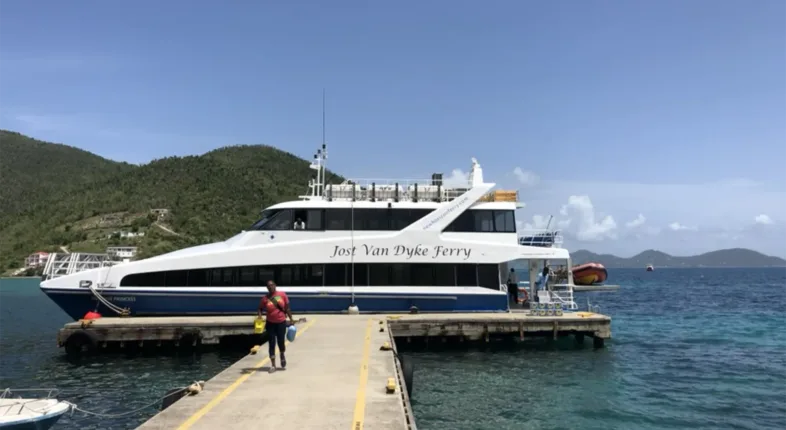
Fly into Guadeloupe Maryse Condé International Airport near Pointe-à-Pitre, then drive or arrange a transfer to the ferry terminal in Saint-François, on Grande-Terre. Comadile runs the ferry to Beauséjour year-round. The published outbound schedule lists 8 a.m. on weekdays and 8:15 a.m. on weekends. Return boats leave La Désirade at 3:45 p.m. most days and 4:15 p.m. on Fridays. The listed adult round-trip fare is €39. Confirm both sailings for your date before booking.
Beauséjour and Plage à Fifi are easy to see on foot between ferries. If you want to reach Baie-Mahault and Pointe Doublé as well, arrange an island tour or a local driver in advance. With a night on La Désirade, you can give the east coast the time it deserves and still have dinner in Beauséjour after the last ferry has gone back to Grande-Terre.
Karen Udler is the Deputy Travel Editor of Caribbean Journal. A graduate of Duke University, has been traveling across the Americas for three decades. First an expert on Latin American travel, Karen has been traveling with CJ for more than a decade. She likes to focus on wellness, luxury travel and food.