Op-Ed: Medical Tourism in the Caribbean

By J Frederick Emert
Op-Ed Contributor
ACCORDING TO the World Travel & Tourism Council (WTTC), in 2011, the total impact of the medical tourism industry contributed 9 percent of global GDP (over $6 trillion USD) and accounted for 255 million jobs.
In the next decade, medical tourism is expected to grow by an average yearly of 4 percent, contributing up to 10 percent of future global GDP ($10 trillion). Eventually, by 2022, it is estimated that 328 million jobs will be created in the medical tourism industry: equal to 10 percent of jobs in the world.
The economic benefits alone of medical tourism to patients and doctors should warrant a serious look at providing care outside the United States — not to mention the aesthetic reasons for choosing to offer treatment at an offshore medical centre, which are typically in some of the most beautiful locations in the world.
The following is a list of the top 10 countries for medical tourism and the percentage lower of costs compared to the US: Brazil (25%-40%), Costa Rica (40%-65%), India (65%-90%), South Korea (30%-45%), Malaysia (65%-80%), Mexico (40%-65%), Singapore (30%-45%), Taiwan (40%-55%), Thailand (50%-70%) and Turkey (50%-65%). Additionally, Patients Beyond Borders estimates that medical tourism is growing at 25% – 35% per year setting the stage for growth in new regions.
Not one Caribbean nation is listed above. How could a region that educates so many American doctors be left out of the top 10?
Plainly, the Caribbean is the region that will benefit the most from the cultivation of a robust medical tourism market. Many people are familiar with Caribbean medical schools. There are 27 medical schools in the English-speaking countries of the Caribbean, however; only five schools are accredited by the internationally-recognized Caribbean Accreditation Authority for Education in Medicine and Other Health Professions (CAAM-HP).
More will likely seek and achieve accreditation in the coming years, however, due to the recent Educational Commission for Foreign Medical Graduates (ECFMG) rule requiring international medical graduates (IMGs) to graduate from a school with an ECFMG Certification in order to apply and obtained an unrestricted medical license to practice medicine in the United States from the United States Medical Licensing Examination (USMLE).
Thus, the Caribbean should work with doctors, hospital groups, and insurance providers to develop a system that benefits the patient and the physician: bringing in top surgeons with lower costs to the patient while providing a much needed economic boost to the often cash-strapped islands.
And while there are well-documented instances of poor treatment in certain offshore medical centres, they rarely employ US-licensed physicians. So there is an opportunity to balance care and cost.
With the ability to provide quality care at lower rates and fewer government restrictions as to the use of proven medical technologies, hospitals and physicians should jump at the opportunity to create a surgical centre meeting the demands of the global medical marketplace. But US-licensed physicians should have the opportunity to practice in these offshore medical destination without having to uproot their practice, lives, and family; at least not at the beginning.
Thus, why not develop an offshore surgery centre operated in a manner similar to a time-share?
The centres would be designed on the model of the traditional time-share or fractional ownership model frequently employed in vacation accommodations or private jets.
Doctors would have an allotted week or month to run an operating room for their patients who opt for treatment either not available or too expensive in the United States.
While this tactic will not work everywhere in the world, it could work in regions closest to the United States given the rate of patients seeking treatment outside the United States.
Caribbean destinations are therefore best positioned to prosper the most from the creation of surgical time-share centres.
The Caribbean could capitalize on this burgeoning industry and familiar relationship between the US medical industry and the Caribbean, as medical tourism becomes a reputable alternative to the already high and continually rising costs of American healthcare.
The offshore medical centres would be an extension of a physician’s practice at home; saving costly, experimental, and/or non-FDA approved surgical procedures for medical tourism destinations while providing the high quality of care patients have come to expect from physicians in the United States.
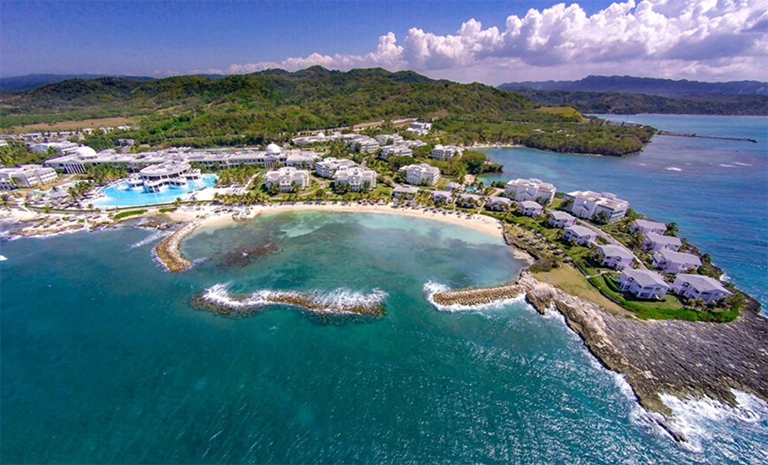
Recently, Jamaica decided to expand into the medical tourism market. Given its proximity to the United States and the beauty of the island, Jamaica is a natural fit to benefit from US surgeons and patients flying down for surgery.
If Jamaica chooses to develop a system of healthcare time-share centres, they will fit the mission of becoming a medical tourist destination by boosting the economy and raising the international profile of the island.
Additionally, Jamaica would distinguish itself as an industry leader and premier offshore medical destination with the capabilities of hosting US-licensed physicians year-round.
The Jamaican investment and promotion agency, JAMPRO, estimates the average medical tourist spends $5,000, which is double the amount of the current average tourist.
Now, imagine if one added the amount of money brought in by patients to what physicians themselves would spend — that is a considerable amount of money generated for a given nation.
Additionally, physicians would more than likely bring their families along as well. There would also likely be a permanent support staff of hospital personnel making higher wages that would only add to the national coffer.
As medical tourism grows, more Americans will seek treatment abroad. It is imperative that patients are protected from poor treatment, scams, and unlicensed doctors.
Establishing surgical centres with American board-certified surgeons would provide patients with the same assuredness they demand at home with greater economic advantages and treatment opportunities abroad.
However, the creation of an offshore surgical center should not be a way to circumvent the laws of the United States and the accountability of physicians, hospitals, and insurance providers. Quite the contrary — it should strengthen patients’ rights around the world, not just in the Caribbean, by expediting a more uniformed medical approach and higher treatment expectations whether you are in Tennessee, Jamaica, or Malaysia.
In developing this concept there is much to balance: law and ethics, international standards, government regulations, and bilateral medical and malpractice trade agreements to safeguard patients who may want to seek indemnification for a procedure gone awry.
Nevertheless, in a time of great economic uncertainty, bold moves will determine which nations will succeed.
For the Caribbean, the medical foundation and familiarity is already in place. All that is needed is an evolution of its purpose to meet the demands and expectations of medicine today.
J Frederick Emert is a third-year law student at the University of Miami School of Law.
Note: the opinions expressed in Caribbean Journal Op-Eds are those of the author and do not necessarily reflect the views of the Caribbean Journal.
Follow J Frederick Emert on Twitter: @jfemert