Can Puerto Rico Redefine Tropical Travel Post-COVID-19?
The negative short-term economic global impact of the coronavirus pandemic on the tourism industry has been devastating.
Now, as the world begins to slowly reopen and potentially recapture their lost tourism industry, it is imperative to rethink and reassess how and where we all travel.
This process could potentially be beneficial to Puerto Rico, as some tourism locations may be more affected than others.
Spreading the news: Puerto Rico has one of the lowest death rates in the US for COVID-19. The island’s location, its warm tropical climate, and the quickness with which the island went into lockdown are important bits of information as we seek to reopen our tourism industry.
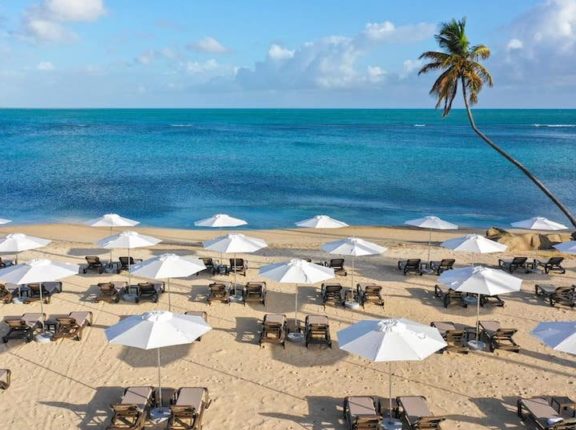
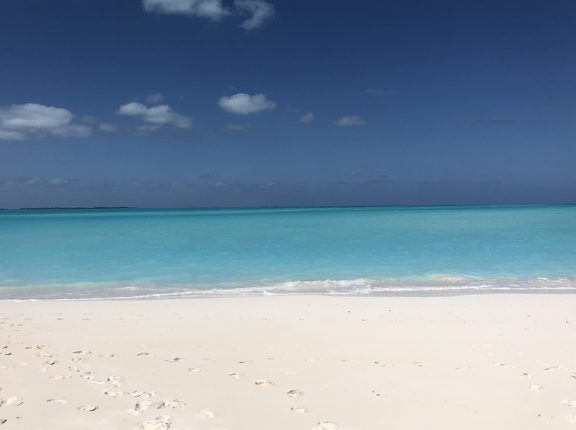
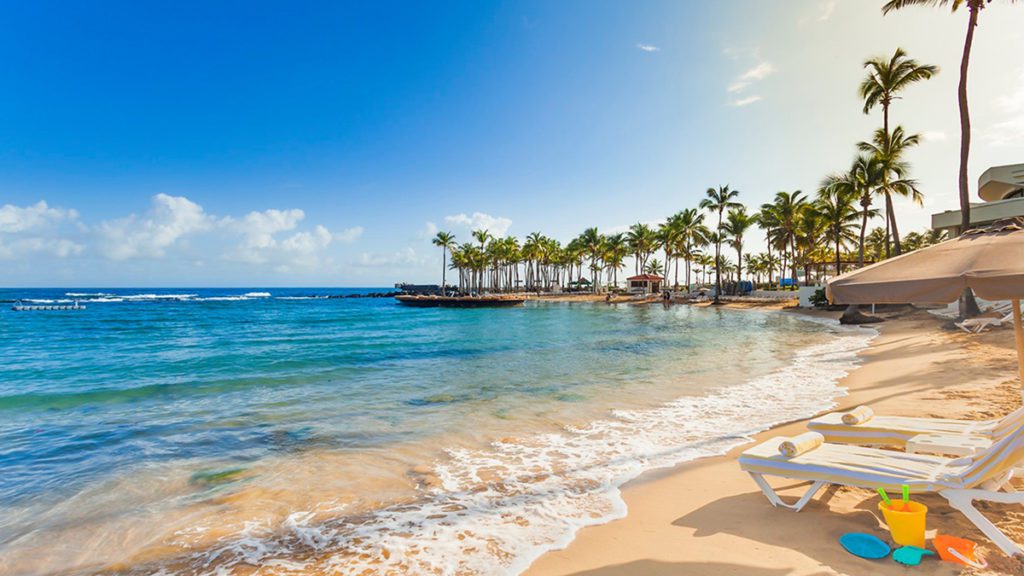
Short air travel: As air travel starts up again and destinations begin to reopen, most people do not feel comfortable traveling on long flights. This positions Puerto Rico uniquely well. As a U.S. island beach destination, Puerto Rico’s shortest flight from the mainland US is two and a half hours in contrast to Honolulu’s six.
Hurricane Maria and Irma: The devastating effects of the 2017 Hurricane season has showcased Puerto Rico and its people all over the world. This attention also has shown that the residents of the island are resilient and hardworking. Being able to manage unique and challenging situations has forced local people to rethink their businesses and develop a new entrepreneurial mentality.
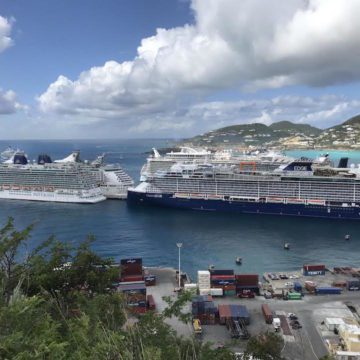
Limited ports of entry: As an island, Puerto Rico has a clear advantage combating this pandemic. Controlling the amount of ports of entry, and implementing airport control barriers, has helped minimize the spread and given travelers a unique sense of comfort during their visit.
International trips: International air travel could be risky because of the potential long distances, exposure, and different government virus protocol requirements. A serious concern is that if there is no Covid-19 vaccine available, there might be a second wave of this global virus. Puerto Rico is a US domestic travel beach destination that does not require you to have a passport. No one wants to be trapped in an international destination if all travel is banned or canceled to the US.
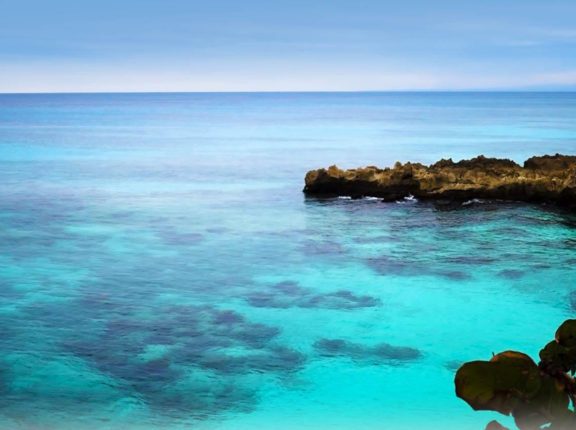
Travel local: Look within! There are excellent local tourism options in Puerto Rico. As people fly less and families look to stay close to home, destinations that are domestic look more feasible. Beyond the traditional places like Old San Juan, the island has incredibly unique and diverse destinations that we all need to visit.
Vacation rentals: As traditional hotels turn and operate as lodges and vacation rentals rent out for two or four weeks, the local lodging offer will provide a much more secure environment for families and also help control the spread of the virus. These options help both hotel owners as well as the local rental market. Either close to the mountains or right at the beach, there are many rental homes available in the island.
Following the rules: As local government restrictions begin to loosen, people in Puerto Rico have shown deep understanding and empathy. These actions help the tourism industry. Respecting social distancing and using masks and shields work as prevention, as well as to minimize anxiety.
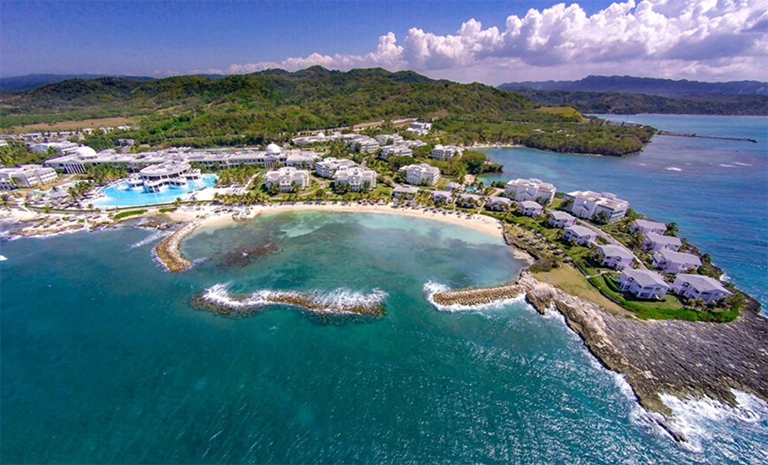
Let us keep building: Hotel construction in Puerto Rico has been very strong, due in part to increased tourist interest following Hurricane Maria and Hurricane Irma. Also, the over $40 billion in reconstruction federal aid assigned to improve the infrastructure, create local jobs, rebuild the island, and create long term economic growth will have a considerable impact for the next 10 years.
As more and more people begin to feel comfortable and crave travel away from home, Puerto Rico has a unique opportunity to step up and redefine tropical travel and tourism during and after the Coronavirus pandemic.
Ricardo Álvarez-Díaz is CEO of Álvarez-Díaz & Villalón (AD&V), the largest architecture firm in Puerto Rico. In 2019, AD&V was included as one of the top 50 hospitality design firms in the US. He also served as a liaison between the private sector and FEMA on critical infrastructure, construction and housing issues.
Note: the opinions expressed in Caribbean Journal Op-Eds are those of the author and do not necessarily reflect the views of the Caribbean Journal.