This Historic Dominican Republic Neighborhood Is Getting More Popular — And We’ve Loved It for Years

More visitors to the Dominican Republic are discovering Santo Domingo’s Colonial Zone, a longtime CJ favorite for its boutique hotels, courtyard restaurants and centuries-old streets.
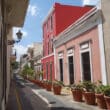
You walk past an old doorway, glance inside and find a courtyard restaurant. A few blocks later, there’s a small hotel behind another historic façade, then a gallery, then somewhere you want to stop for a Dominican rum. That’s the pleasure of Santo Domingo’s Colonial Zone, a neighborhood we’ve loved for years and keep finding reasons to revisit.
Now more visitors to the Dominican Republic are making their way here. Tourism Minister David Collado says the Colonial Zone receives an average of 14 percent of the tourists arriving in the country each month, twice the seven percent share he cited as its earlier starting point.
That’s a significant change for a destination we’ve long considered one of the Caribbean’s great city escapes.
More People Are Discovering the Colonial Zone
Collado shared the figures as the Ministry of Tourism delivered rehabilitated sections of Calle Colón and Calle Hostos, part of a broader restoration program across the historic district.
His figures describe a growing share of the country’s tourists visiting the Colonial Zone. He did not give a comparison period for the increase from seven percent to 14 percent, but the direction is clear: the capital’s historic center is becoming a more frequent part of a Dominican Republic vacation.
We’ve been making that case for a long time. Back in 2015, we called it “The Caribbean’s Hidden City,” writing about the small hotels, restaurants and galleries tucked inside its old buildings.
More than a decade later, that remains one of its greatest pleasures. You can come for the monuments and spend much of your stay finding places between them.
Why We Keep Coming Back
The Colonial Zone rewards a stay of several nights. There’s time to walk Calle Las Damas, visit the cathedral, linger around Parque Colón and return to a restaurant you noticed earlier in the day.
Its historic buildings are part of the daily experience: the courtyard where you have breakfast, the thick walls around your hotel room, the old façade beside your dinner table. Between the landmark visits, you’re spending time in a neighborhood with shops, cafés and people going about their day.
That’s why we like staying here. You can head out without an elaborate schedule, explore on foot and leave room for an unplanned stop. A quick excursion gives you the major sights; a longer stay gives you more time with the neighborhood.
The Hotels Give You More Reasons to Stay
The accommodations have become another reason to choose the Colonial Zone.
As we recently reported, Casas del XVI has joined IHG’s Vignette Collection, bringing its collection of restored houses into a global hotel and loyalty network. We’ve followed the property for years, drawn to its residential setting and courtyard-centered design.
Then there’s Kimpton Las Mercedes, which opened in 2024, adding another boutique hotel option within the historic district.
Together, they make a compelling case for spending your vacation in Santo Domingo itself, with the Colonial Zone as your base.
What’s Changing on the Streets
The latest street improvements are intended to make the district easier to navigate on foot and by vehicle, while restoring its historic surroundings. The broader program includes monument restoration, church façades and improvements around residential areas.
Collado said the remaining rehabilitation work is expected to finish in December. He also pointed to cruise tourism projects in development, although the remarks did not include specific itineraries or opening dates.
The growing visitor share is the central story. More people are discovering a part of the Dominican Republic we’ve championed for years — and giving its streets, hotels and restaurants a place in their vacation plans.