St. Thomas’ Capital Just Earned a Rare National Honor for Its World War II History

Charlotte Amalie is one of just 10 places named a 2026 American World War II Heritage City, putting the spotlight on the harbor’s wartime role and historic sites you can explore today.
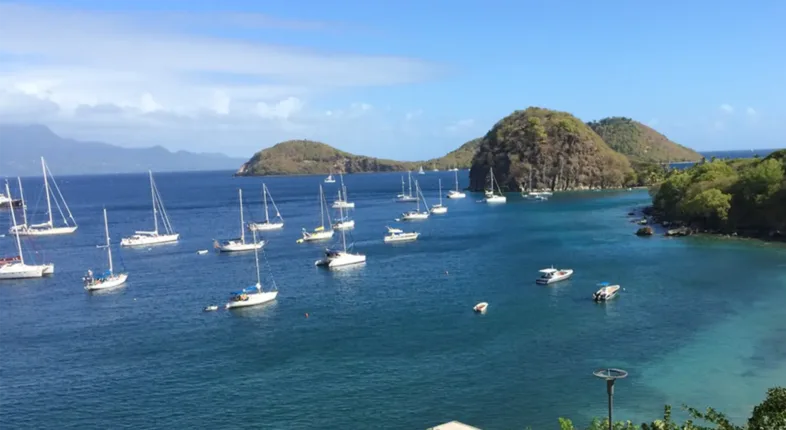
Look across Charlotte Amalie’s harbor and you’ll see cruise ships, sailboats and the small islands framing one of the Caribbean’s most iconic waterfronts. During World War II, these same waters served a different purpose: supporting naval patrols, military aviation and defenses protecting shipping in the Caribbean.
Now, the capital of the U.S. Virgin Islands has earned national recognition for that history. The National Park Service has designated Charlotte Amalie a 2026 American World War II Heritage City, honoring both its wartime contributions and continuing efforts to preserve them.
A Rare National Recognition
Charlotte Amalie is one of just 10 jurisdictions receiving the designation this year, joining places including Honolulu, Hawaii, and Whittier, Alaska. The National Park Service released the selections on Oct. 16.
The congressionally authorized program recognizes communities that supported the American home front during World War II and continue to interpret that history. Only one city or local jurisdiction in each state and territory can receive the honorary designation.
In Charlotte Amalie, the recognition encompasses the harbor’s military facilities and the contributions of residents, including military service, civil defense and support for wartime operations. It brings renewed attention to a chapter you might otherwise miss during a day of shopping or a waterfront walk.
The Harbor’s Wartime Role
During the war, St. Thomas supported a network of naval, aviation and coastal-defense facilities. An air station and submarine base occupied bays west of downtown, while nearby islands and hillside positions helped strengthen harbor defenses.
Submarines and patrol aircraft operating from Charlotte Amalie protected convoys carrying fuel oils and other essential supplies from South America. Those operations helped counter German and Italian submarine activity in the Caribbean.
The geography is still easy to appreciate from the waterfront. The harbor, its approaches and the surrounding islands formed a connected defensive landscape, with military activity extending well beyond the streets of the capital.
Hassel Island’s Military History
Hassel Island, at the western edge of the harbor, offers one way to explore that landscape. During World War II, it housed an updated naval station, adding another chapter to an island with a much longer maritime and military past.
The St. Thomas Historical Trust offers guided excursions to Hassel Island, with a boat ride from the Charlotte Amalie waterfront. A visit gives you a closer look at the harbor’s historic setting while placing its wartime role within the broader story of shipping and defense.
Arrange a tour in advance and bring walking shoes, water and sun protection. This is an outdoor historic excursion, with time spent exploring the island on foot.
World War II Remains on Water Island
Nearby Water Island has a more direct physical connection to the war through Fort Segarra. The U.S. government acquired the island in 1944 for a coastal-defense installation, and surviving concrete structures remain part of its landscape.
The installation included defensive positions and underground bunkers. Its hilltop Battery 314 never became operational, and its planned guns were never installed. Fort Segarra was deactivated in 1946.
You can reach Water Island by ferry from Crown Bay Marina, making it possible to pair an interest in military history with a separate island excursion during a St. Thomas stay.
Another Reason to Explore Charlotte Amalie
Back downtown, Fort Christian offers a starting point for understanding the capital’s longer history. The Danish-era landmark predates World War II by centuries, giving a visit a broader historical frame.
Charlotte Amalie already anchors many St. Thomas cruise visits, while the island’s beaches and resort stays draw visitors arriving by air. The new designation adds a reason to spend more time examining the harbor itself — and the people and places that helped defend it.