Guyana’s President Says Caribbean Tourism Needs Bigger Investment, Better Transport and a Regional Strategy

At SOTIC in Georgetown, Irfaan Ali urged governments and investors to think beyond natural beauty, with a new focus on infrastructure, disaster preparedness and major international events.
The Caribbean cannot rely on its beaches, forests and natural beauty to keep pace with the world’s fastest-moving tourism destinations. That was the message from Guyana President Dr. Mohamed Irfaan Ali, who called on regional governments, investors and tourism businesses to “scale up” their ambitions.
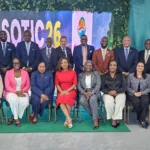
Speaking at the formal opening of the Caribbean Tourism Organization’s State of the Tourism Industry Conference on Oct. 7, Ali put transport infrastructure at the center of his argument. The region’s natural assets remain a powerful advantage, he said, but competing destinations are investing heavily in the connections and experiences that turn those assets into tourism growth.
A Call for Bigger Thinking
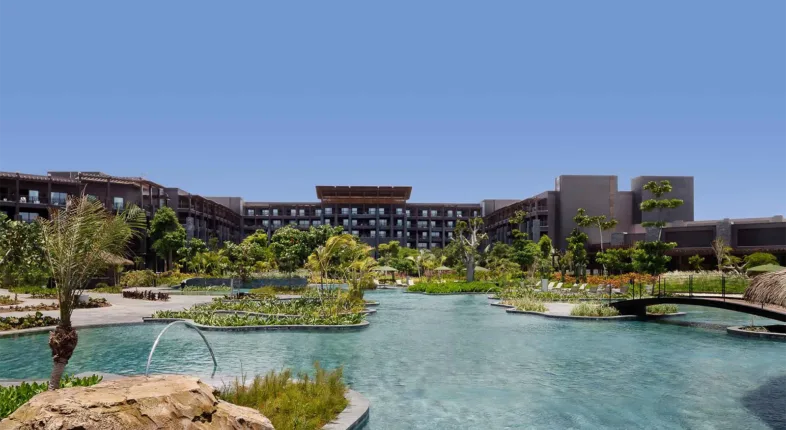
Ali delivered his keynote at Atlantic Suites by Hyatt in Kingston, Georgetown, as the conference we previewed last month brought regional tourism leaders to Guyana.
“Our natural product and our natural beauty are important assets,” he said. But complacency about how the region repositions those assets, he warned, would prevent it from realizing their future value.
He compared the risk to the decline of West Indies cricket: natural talent once carried the team to global dominance, but that advantage did not guarantee lasting success. His tourism message was similar — an exceptional natural product needs sustained investment, planning and adaptation.
Transport Comes First
Ali described an integrated transport system as the starting point for tourism growth at a larger scale. He pointed to infrastructure investment in the Gulf states, Brazil and Mexico as examples of destinations pairing their tourism ambitions with major improvements in access.
In Guyana, he highlighted a new airport terminal, regional airports at Lethem and Berbice, a deep-water port, road connections to the new city and new housing developments.
He said Terminal 2 should do more than accommodate passengers. The terminal, he argued, should communicate Guyana’s identity and the country’s aspirations.
That emphasis follows a broader regional push on aviation. We reported earlier this year on the CTO’s agreement with Airports Council International–Latin America and the Caribbean, aimed at closer cooperation between tourism and airport leaders. Jamaica will host the next CTO Air Connectivity Summit on Feb. 23, 2027.
Disaster Preparedness From the Start
Ali also urged governments and businesses to incorporate disaster preparedness into tourism investment agreements. He proposed contingency clauses that would take effect automatically after a natural disaster, citing Jamaica’s recent experience.
He called on the Caribbean Tourism Organization to lead the development of a mechanism for disaster preparedness and business continuity, alongside efforts to reduce dependence on individual markets and supply chains.
Food sourcing was part of that argument. Ali encouraged tourism businesses to purchase from local farms and regional partners, connecting the industry more closely with Caribbean agriculture.
He also proposed a regional approach to artificial intelligence and cybersecurity, arguing that individual Caribbean countries lack the scale to tackle those challenges alone.
A Shared Calendar of Global Events
Major international events offered another opportunity for joint action. Rather than having each country compete independently, Ali suggested the Caribbean identify 10 events it wants to attract by 2035 and invest in the infrastructure needed to host them.
He pointed to Guyana’s launch of the Global Biodiversity Alliance on July 7 and its application, backed by CARICOM, to host a United Nations Conference of the Parties.
Ali challenged private investors to pursue more ambitious visitor experiences, too, offering a world-class tropical forest night safari in Guyana as one possibility. The proposal illustrated his wider argument: nature can provide the setting, while investment can create new reasons to visit.
His closing message returned to tourism’s capacity to recover. The industry’s resilience, he said, needs continued support through infrastructure, investment, partnerships and strategy — a call for the region to turn its natural advantages into a more coordinated tourism future.