Antigua and Barbuda Takes the Helm of the Caribbean Tourism Organization
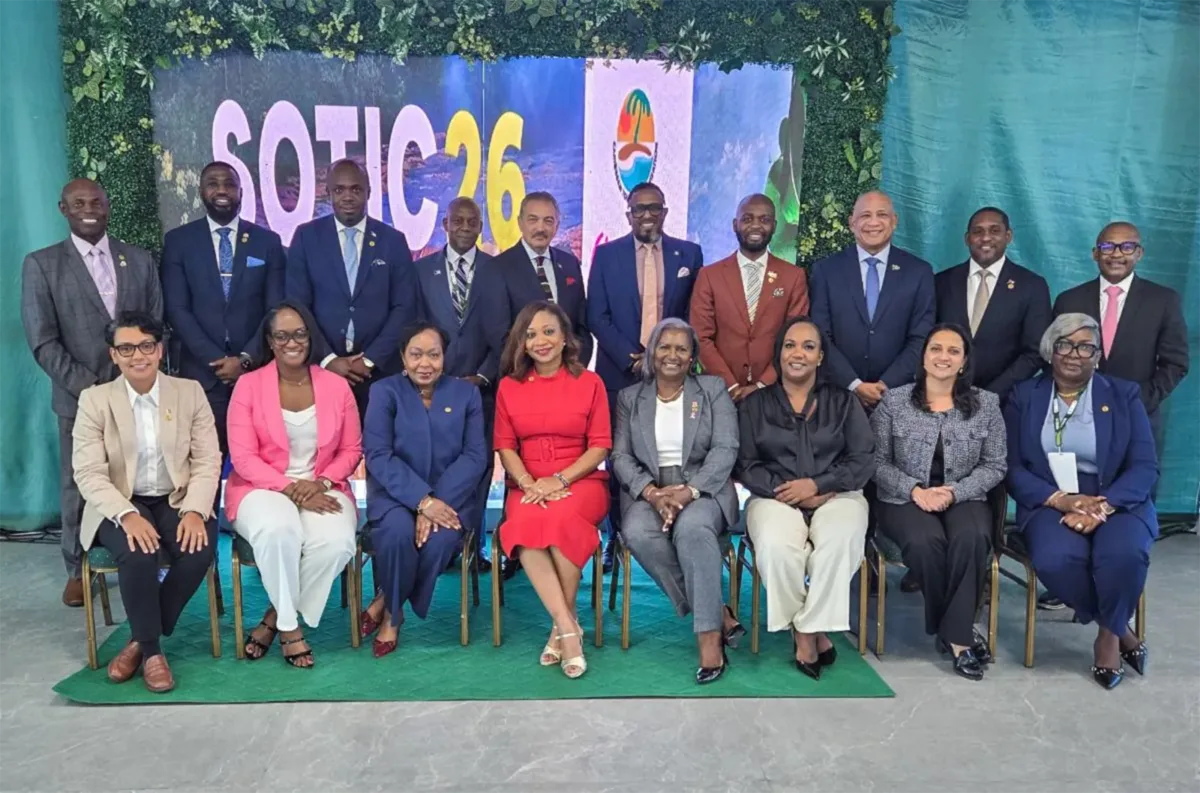
Tourism Minister Charles “Max” Fernandez will lead the regional organization as it advances priorities spanning workforce development, sustainability and tourism intelligence.
Antigua and Barbuda has been elected chair of the Caribbean Tourism Organization, putting Tourism Minister Charles “Max” Fernandez at the helm of the regional tourism body as it advances an agenda focused on competitiveness, sustainability and stronger connections between tourism and local economies.
The election took place at CTO’s Annual General Meeting in Georgetown, Guyana, on Oct. 6. Fernandez, Antigua and Barbuda’s Minister of Tourism, Civil Aviation, Transportation and Investment, assumes leadership of the CTO Council of Ministers and Commissioners of Tourism, succeeding Barbados Tourism Minister Ian Gooding-Edghill.
The transition also brings a change at the organization’s board level: Colin James, CEO of the Antigua and Barbuda Tourism Authority, will chair CTO’s Board of Directors, succeeding Andrea Franklin, CEO of Barbados Tourism Marketing Inc.
A New Leadership Team
The appointments give Antigua and Barbuda leadership of both CTO’s ministerial council and its board. They follow a two-year Barbados chairmanship during which the organization advanced its Reimagine Plan and strengthened collaboration among member countries, tourism businesses and regional partners.
James takes on the regional role while continuing to lead Antigua and Barbuda’s tourism authority. We reported earlier this year on the authority’s appointment of Charmaine Spencer as chief marketing officer, part of its own tourism leadership team.
CTO Secretary-General and CEO Dona Regis-Prosper welcomed the incoming chairs and thanked Gooding-Edghill and Franklin for their stewardship. She said the transition comes as the organization continues translating its strategy into action and delivering greater value to its members and the wider Caribbean tourism sector.
The Regional Priorities
The leadership change comes with continued implementation of CTO’s Reimagine Plan on the agenda. The strategy centers on five pillars: advocacy, market competitiveness, tourism intelligence, sustainable and regenerative tourism, and people development.
Alongside those priorities, the Caribbean Tourism Organization has expanded its attention to the supply side of tourism — the people, services, infrastructure and local businesses that support the visitor economy.
That includes workforce development and local supplier integration, along with infrastructure, logistics and technology. The organization is also emphasizing stronger connections between tourism and agriculture, manufacturing and the creative industries.
The agenda reaches beyond attracting visitors. It addresses how destinations support their tourism sectors, prepare employees and connect hotels and other tourism businesses with local producers and service providers.
During his chairmanship, Gooding-Edghill emphasized regional collaboration, shared expertise and a stronger collective Caribbean voice. Those priorities form part of the foundation inherited by the new leadership.
Who Will Serve on the Executive Committee
The board also elected vice chairs representing CTO’s subregions, giving countries and territories across the Caribbean a role in its executive leadership. The United States Virgin Islands will represent the U.S. territories, while the British Virgin Islands will represent the British overseas territories.
Saint-Martin will represent the French-speaking territories. St. Kitts and Nevis and The Bahamas were elected to represent CARICOM countries, with selection of the Dutch-speaking territories’ representative deferred until the next meeting.
The six subregional vice chair positions, together with the board chairman, comprise the Executive Committee of CTO’s Board of Directors. The deferred selection leaves that final regional seat to be determined at a subsequent meeting.
A Transition in Georgetown
The election preceded the Oct. 7 opening of the State of the Tourism Industry Conference, held under the theme “Tourism Futures: Smart, Sustainable and Inclusive.” We previously reported on Guyana’s preparations to host SOTIC for the first time.
The conference brings together tourism ministers, commissioners, directors, private-sector executives, researchers, young people and regional and international partners. Its discussions provide the setting for the leadership handover and the organization’s continuing strategic agenda.
For Fernandez and James, the immediate task is to carry those priorities forward: advancing the Reimagine Plan, sustaining regional cooperation and strengthening the local capacity that supports Caribbean tourism.