Royal Caribbean Just Removed Nearly 1,000 Tons of Sargassum From This Coastline in Mexico
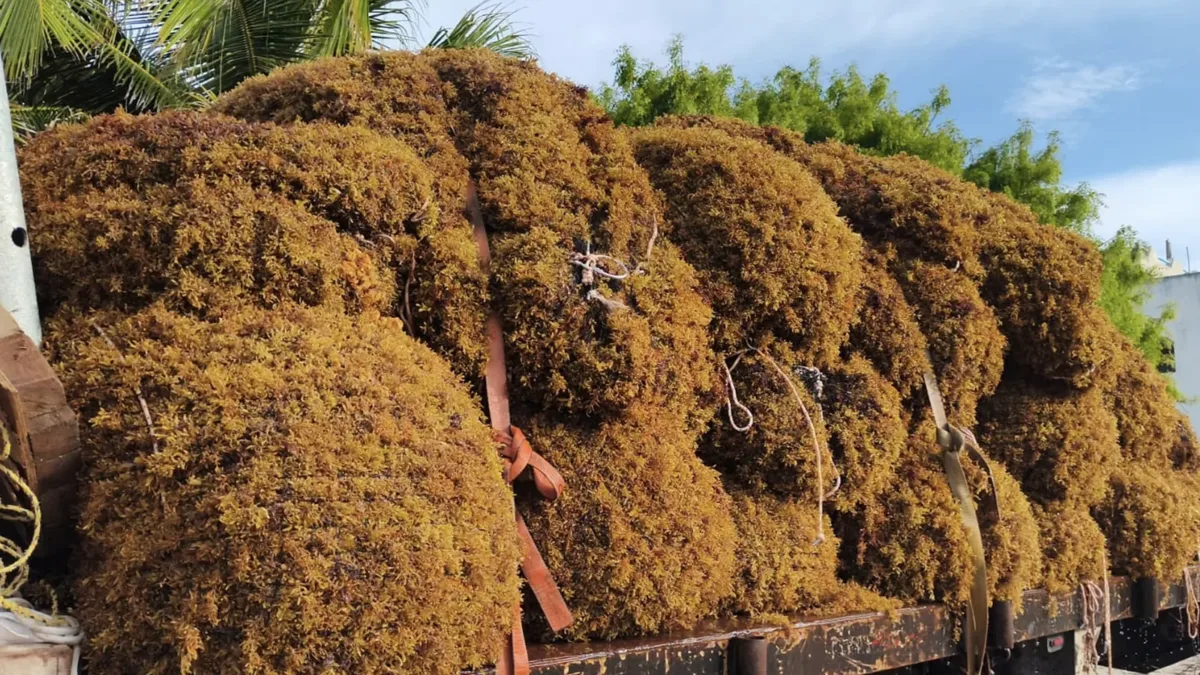
Royal Caribbean Group has completed the first phase of a major sargassum management program in Mahahual, Mexico, removing 977 metric tons of the seaweed over a five-month period.
Sargassum has become one of the most persistent challenges facing parts of the Caribbean coastline, particularly along Mexico’s Caribbean coast. Now Royal Caribbean Group is testing a large-scale approach to tackling it in one of the region’s most important emerging cruise destinations.
The company has completed the first phase of a sargassum management program in Mahahual, Quintana Roo, collecting 977 metric tons of sargassum over five months.
That’s the equivalent of more than 48,000 wheelbarrows full of the seaweed, according to Royal Caribbean.
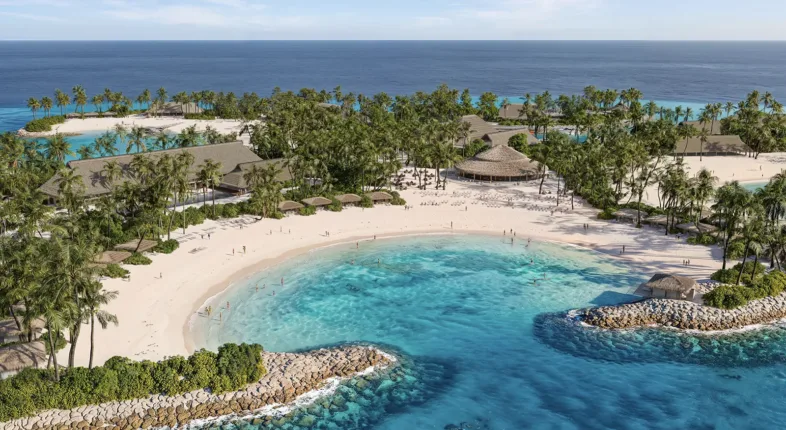
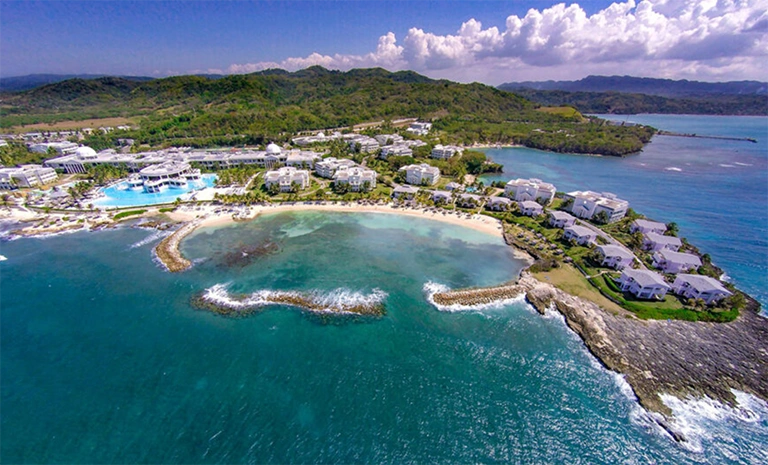
The initiative is particularly significant in Mahahual, where Royal Caribbean is developing its new Perfect Day Mexico destination, slated to open in 2027. The project is set to include a mile-long lazy river, an expansive waterpark, a large freshwater pool and multiple beach areas.
Stopping Sargassum Before It Reaches Shore
The pilot program was developed with local nonprofit Menos Plástico es Fantástico, with teams collecting sargassum from the reef lagoon before it could reach Mahahual’s coastline.
Crews used boats and collection nets to remove the floating seaweed, concentrating much of the operation around the El Quebrado area.
The collected material was then transported to designated drying and processing areas, where waste and other materials were separated from the sargassum.
Over the five-month first phase, crews used 3,054 collection nets and produced 560 sacks of dried sargassum. Royal Caribbean says potential uses for the dried material are now being explored.
The program complements existing sargassum barriers and anchoring infrastructure near Mahahual’s pier area.
What They Found in the Sargassum
The project wasn’t just about removing seaweed.
Teams also documented marine species found within the collected sargassum, including sargassum crabs, juvenile triggerfish, sargassum shrimp and sargassum frogfish.
Macroplastics discovered during collection were removed and documented as well, giving the project another layer of data on the materials moving through Mahahual’s coastal waters.
That distinction is important. Sargassum is a naturally occurring floating algae that provides habitat for marine life in the open ocean. The problem comes when unusually large quantities accumulate along coastlines, where they can affect beaches, coastal ecosystems and tourism.
The Program Is Expanding
Royal Caribbean and Menos Plástico es Fantástico are now moving into a second phase that will continue through November.
The next stage will expand the program’s in-water collection fleet from two boats to three and extend cleanup activity along the navigation channel between central Mahahual and the entrance to Quebrado Norte.
Crews will also remove abandoned nets from the seabed and clear waste that has accumulated around sargassum nets.
Royal Caribbean has separately supported the relocation and expansion of Mahahual’s sargassum barrier system, including new anchors and technical equipment, working with the Mahahual Sargassum Committee and Mexico’s Secretariat of the Navy.
The initiative adds an environmental component to Royal Caribbean’s growing presence in Mahahual, which is becoming increasingly important to the company’s wider Caribbean cruise strategy.
With Royal Caribbean preparing to bring Perfect Day Mexico to the destination in 2027, managing the coastline around Mahahual is becoming an increasingly significant part of the company’s investment in the area.
And after nearly 1,000 metric tons removed in the first five months, the experiment is moving into its next stage.