Why Travelers Are Flocking to the Caribbean Island of St Kitts, From Luxury Resorts to Volcano Hikes and Farm-to-Table Dining
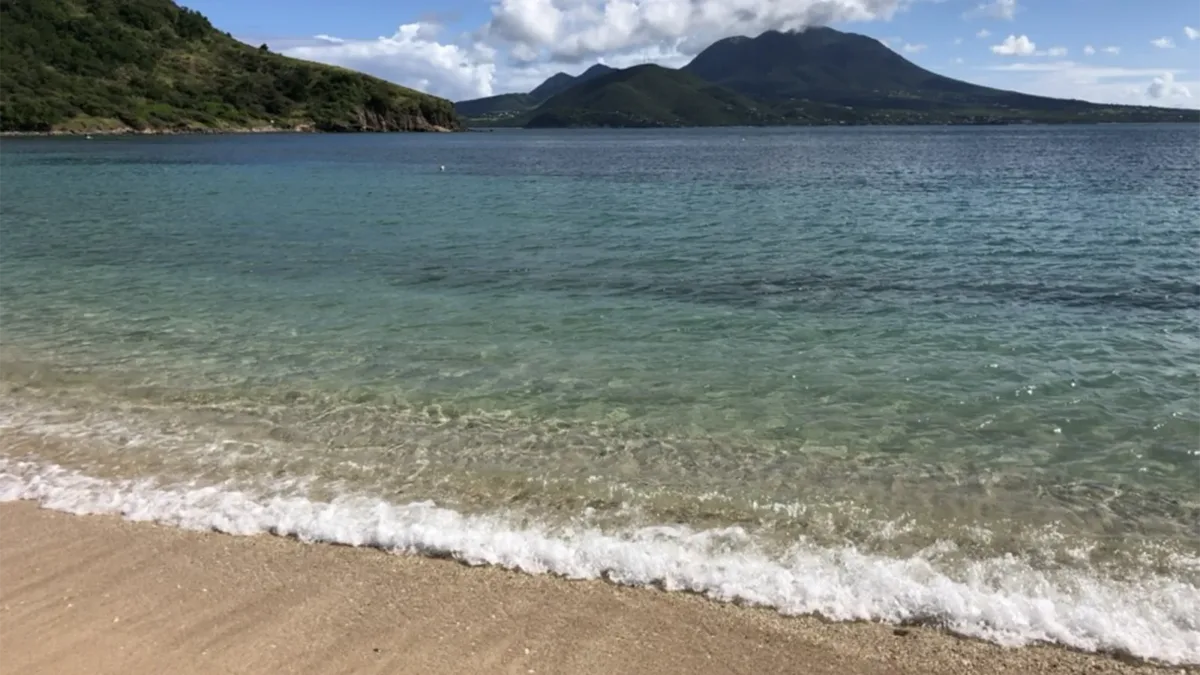
Park Hyatt luxury. Craft cocktails by the sea. A rainforest-covered volcano. Organic farms and a boutique hotel powered in part by geothermal technology. St Kitts has found a particularly compelling Caribbean combination.
You can spend the morning climbing through rainforest toward the rim of a dormant volcano. By afternoon, you can be stretched out beside a pool at one of the Caribbean’s top luxury resorts. Then comes sunset: a cocktail by the water, followed by a dinner built around ingredients grown just a few miles away.
That’s St Kitts right now.
We’ve been coming to the island for years, and what’s happening here feels less like the arrival of one big new attraction and more like the maturation of an entire destination.
Luxury is getting better. The culinary scene has developed its own identity. Sustainability increasingly feels embedded in the tourism product. And the island’s natural side — particularly its rainforest and hiking — has become one of its biggest draws.
It’s why St Kitts is buzzing.
Luxury, without losing the island
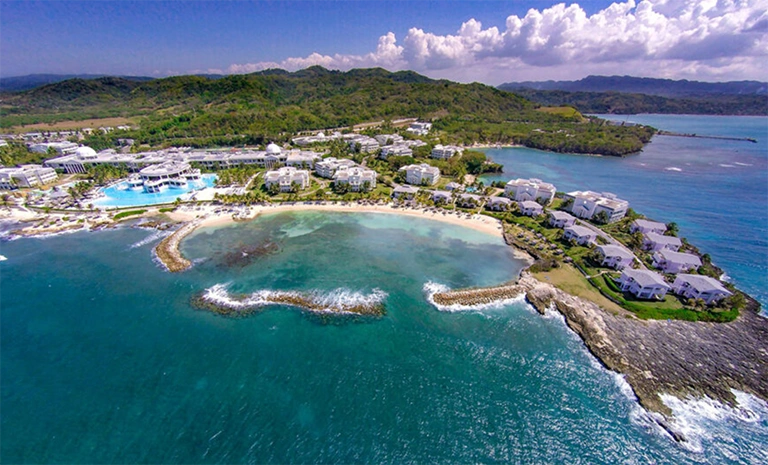
The luxury anchor remains the Park Hyatt St Kitts, set on Banana Bay with views across the Narrows toward Nevis.
It changed the perception of St Kitts when it opened, giving the island a true international luxury resort, and it continues to evolve: the resort recently transformed several of its highest-end villa accommodations, including rooftop-pool units.
But what makes the island interesting is that luxury here isn’t limited to one large resort.
There’s also Sunset Reef, the tiny boutique hotel on the Caribbean coast that represents a very different vision of high-end hospitality: intimate, technology-forward and deeply connected to sustainability.
That range is increasingly important. St Kitts can give you a polished luxury resort experience, but it can also give you something decidedly smaller and more personal.
It’s part of a hotel landscape we’ve watched continue to evolve across the island.
The island tastes different, too
Then there’s the food.
At Spice Mill on Cockleshell Bay, the experience is quintessentially St Kitts: toes-near-the-sand Caribbean dining, serious cocktails and the unmistakable silhouette of Nevis rising across the water.
But the bigger culinary story extends into the hills and farms.
Fari Organic Farm has become emblematic of the island’s farm-to-table movement, part of a broader push toward locally grown produce and food experiences that connect travelers directly with the land.
It’s one reason St Kitts has quietly developed one of the Caribbean’s more interesting culinary identities. The island isn’t simply importing a luxury dining model. Increasingly, it is building the experience around what grows here.
That movement has become important enough that food and farm-to-table travel are now central parts of the St Kitts experience.
Then you start climbing
The other St Kitts begins when the pavement disappears.
Mount Liamuiga rises nearly 4,000 feet above the island, its upper slopes covered in dense tropical rainforest. The hike toward its cloud-filled crater is challenging, muddy and spectacular — exactly the sort of experience that changes your understanding of the destination.
And it’s hardly the island’s only adventure.
There are rainforest trails, historic sugar estates, black-sand beaches, snorkeling, sailing and the rolling green landscape that seems to appear around every bend in the road.
We’ve called St Kitts a secret Caribbean hiking destination, and that side of the island has only become more prominent.
More recently, the island’s combination of hiking, eco-tourism and wellness has helped turn what was once largely a winter destination into something with a much broader year-round appeal.
A different idea of sustainability
At Sunset Reef, sustainability isn’t an abstract hotel talking point.
The boutique property has incorporated geothermal technology into its operations, part of a broader approach that puts efficiency and environmental thinking into the actual mechanics of the hotel.
Pair that with organic agriculture, rainforest experiences and the island’s relatively low-density tourism footprint and you start to see another piece of the St Kitts story.
It isn’t trying to become somewhere else.
That may be the most important part of what’s happening here.
Why the combination clicks
Plenty of Caribbean islands have beautiful resorts. Plenty have great food. Others have extraordinary hiking or compelling sustainability stories.
St Kitts increasingly puts all of them into the same vacation.
You can wake up at the Park Hyatt, hike into the rainforest, visit a farm, drive the winding roads of the Southeast Peninsula and finish with a cocktail overlooking the Caribbean.
And somehow none of it feels disconnected.
The luxury complements the adventure. The farms reinforce the food scene. The rainforest gives the island another dimension beyond the beach. The smaller hotels bring personality alongside the big-name resorts.
It’s a blend we’ve seen firsthand on our many visits here, and it’s why St Kitts remains one of the Caribbean’s most fascinating destinations.