This Is the Aruba You Didn’t Know Existed, With a Caribbean Art Town, a Legendary Bar and a Spectacular Beach
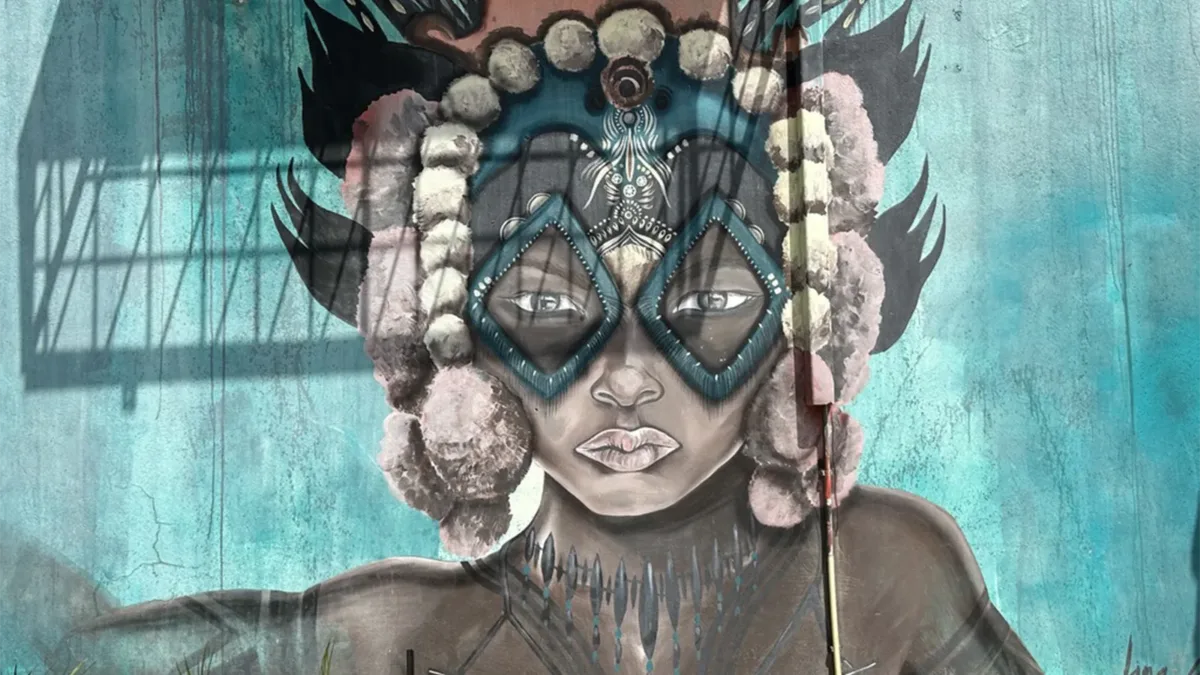
San Nicolas gives you a completely different Aruba: an evolving Caribbean art town, the legendary Charlie’s Bar and Baby Beach just beyond downtown.
The walls are covered in giant portraits and tropical colors. Charlie’s Bar is still packed with decades of memorabilia, and a few minutes away, Baby Beach opens into one of Aruba’s most spectacular turquoise lagoons.
This is San Nicolas, on the southeastern side of Aruba, and after our latest visit we came away thinking the same thing we have for years: this is the Aruba you didn’t know existed.
It is the island’s most convincing counterpoint to Palm Beach and Eagle Beach. San Nicolas is rooted in refinery history, migration, calypso, steel pan and a distinctly Caribbean identity, and that history now sits alongside one of the most interesting public-art scenes anywhere in the region.
We first explored San Nicolas as Aruba’s emerging cultural capital years ago. What struck us on this return was how much more complete the idea now feels.
The Art Is Everywhere
You don’t really need a map to find the murals.
Start walking through downtown San Nicolas and they begin appearing on corners, across entire building façades, beside old storefronts and on walls that would otherwise disappear into the streetscape.
Some are portraits. Others play with wildlife, Aruban imagery, surrealism and graphic forms, and the best way to see them is simply to wander.
The mural scene traces much of its modern momentum to the Aruba Art Fair, which has helped turn San Nicolas into an open-air gallery.
That matters because San Nicolas isn’t an art district imposed on a blank neighborhood. The murals sit inside a town with a much older identity, and that combination gives the place substance.
What we like is that there is no single prescribed path.

You turn a corner and find another enormous painting. You walk another block and find an old commercial building, a restaurant, a museum or another piece of San Nicolas history.
It rewards walking around without much of a plan.
The Caribbean Story Behind San Nicolas
Understanding San Nicolas means understanding the refinery.
The arrival of the oil industry nearly a century ago brought workers from across the Caribbean and beyond, helping turn this end of Aruba into one of the island’s most multicultural communities.
Trinidadian and other English-speaking Caribbean influences became especially important here, bringing steel pan, calypso and Carnival traditions with them.
That is still visible in the town.
San Nicolas has a different cultural texture from the tourism corridors farther north, and it is one reason a visit here feels like much more than an art excursion.
The Museum of Industry, inside the old Water Tower, tells the broader Aruba story through gold, aloe, phosphate, oil and tourism. The San Nicolas Community Museum digs into the history of the community itself.
You don’t have to spend your day inside museums to understand what happened here.
The architecture, old commercial streets and refinery presence tell much of it as you move through town.
And then there is Charlie’s.
The Bar That Has Been Here Since 1941
You know Charlie’s Bar almost immediately.
The exterior is colorful, but nothing prepares you for what is inside: license plates, beer mugs, old newspaper clippings, police and fire patches, fishing gear and decades of objects left behind by visitors from around the world.
Charlie’s has been here since 1941.
We’ve spent time inside Charlie’s Bar, and it remains one of those places that gives you a direct line into the history of a destination.
The original crowd came largely from the refinery and ships calling nearby.
Today you are more likely to find visitors who have driven down from the hotel zone, but the room still feels inseparable from San Nicolas.
There is memorabilia everywhere you look, cold beer at the bar and a menu that includes seafood, burgers and local favorites.
It is not a themed recreation of an old Caribbean bar.
It is the old Caribbean bar.
That distinction is a big part of why Charlie’s remains essential.
Why San Nicolas Feels Different Right Now
Aruba tourism is expanding south.
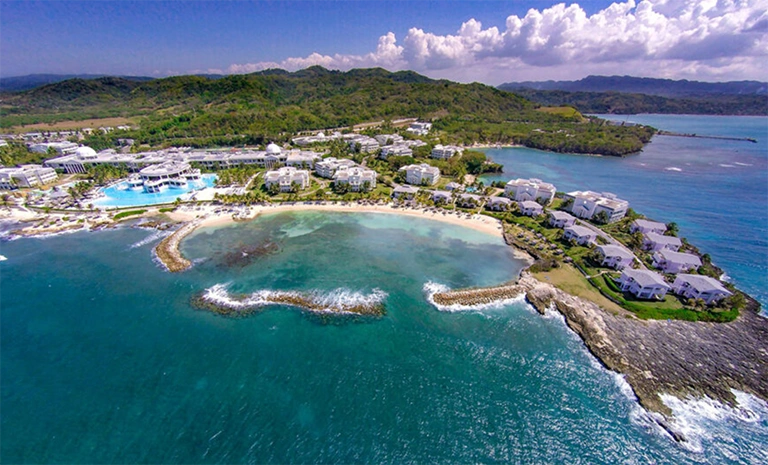
That has become much more visible with the arrival of Secrets Baby Beach Aruba, the adults-only all-inclusive beside Baby Beach that brought one of the island’s biggest international resort names to this part of Aruba.
We’ve been following the Secrets Baby Beach story closely because its location is more important than simply adding another resort.
For decades, most visitors concentrated their stays around Palm Beach, Eagle Beach and Oranjestad.
The new resort brings far more attention to Aruba’s southeastern corner, putting more visitors within minutes of San Nicolas rather than staying entirely inside the island’s traditional hotel corridor.
That creates an interesting moment for San Nicolas.
More visitors are suddenly staying nearby, but the town still feels like its own place rather than an extension of the hotel zone.
That is exactly what you want.

Then You Get to Baby Beach
The perfect San Nicolas day ends in the water.
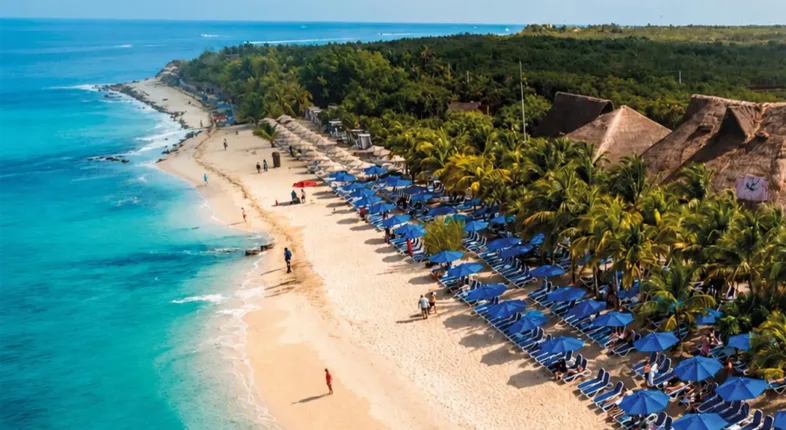
Baby Beach is set just beyond town at Aruba’s southern end, a broad crescent wrapped around shallow turquoise water.
We’ve been coming here for years, and it remains one of the island’s most distinctive beaches.
The water stays shallow far from shore across much of the protected lagoon, creating swimming conditions that make it easy to spend a long afternoon in the sea.
It also looks spectacular.
We’ve called it one of Aruba’s most sought-after stretches of sand, and our recent visits haven’t changed that assessment.
Baby Beach is increasingly well known, particularly since the arrival of Secrets, but it still reinforces the basic appeal of heading south.
You can spend the morning looking at murals and San Nicolas history, have a drink or lunch at Charlie’s and be standing in bright turquoise water a few minutes later.
There aren’t many Caribbean towns that give you that combination.

And There’s Another Side of the Coast
If Baby Beach is the headline, Rodgers Beach is the quieter alternative nearby.
Then there is Boca Grandi, farther along the southeastern coast.
That beach is almost the inverse of Baby Beach: windier, rougher and famous for kiteboarding. We’ve explored Boca Grandi and found it to be one of Aruba’s great reminders that the island has dramatically different coastlines within a relatively short drive.
Put them together and the southern side of Aruba begins to look like a destination within the destination.
Who Should Come Here
San Nicolas makes the most sense if you already know Aruba and want to see beyond the familiar resort coastline.
But we’d argue first-time visitors should make the drive, too.
If you like art, you can spend an hour simply walking the murals. If you care about Caribbean history, the refinery story and the museums give you another way into Aruba.
If you want the classic local institution, Charlie’s is waiting.
And if your main priority remains the beach, Baby Beach gives you one of the best reasons on the island to come this far south.
The combination is what makes San Nicolas so compelling.
It doesn’t ask you to choose between culture and a beach day.
You get both.
The Aruba You Didn’t Know Existed
That is what keeps bringing us back.
Aruba is extraordinarily good at the Caribbean vacation people already know: white sand, resorts, restaurants, casinos and easy air access.
San Nicolas gives you something else.
You get streets covered in murals, a town shaped by generations of Caribbean migration, a bar that has been serving drinks since 1941 and one of Aruba’s most beautiful beaches a few minutes away.
Spend enough time here and the phrase “other side of Aruba” stops feeling geographical.
It feels like another version of the island altogether.